
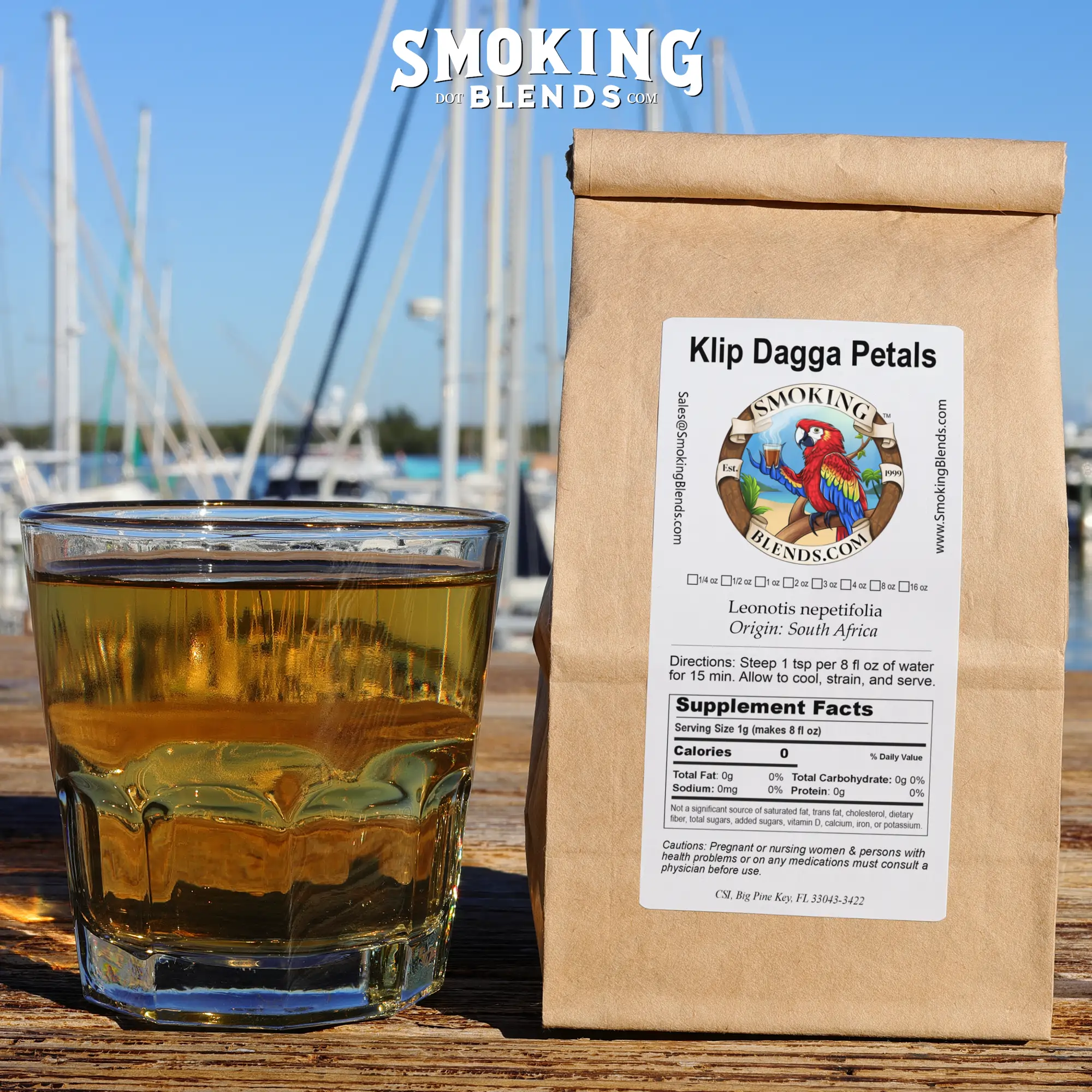
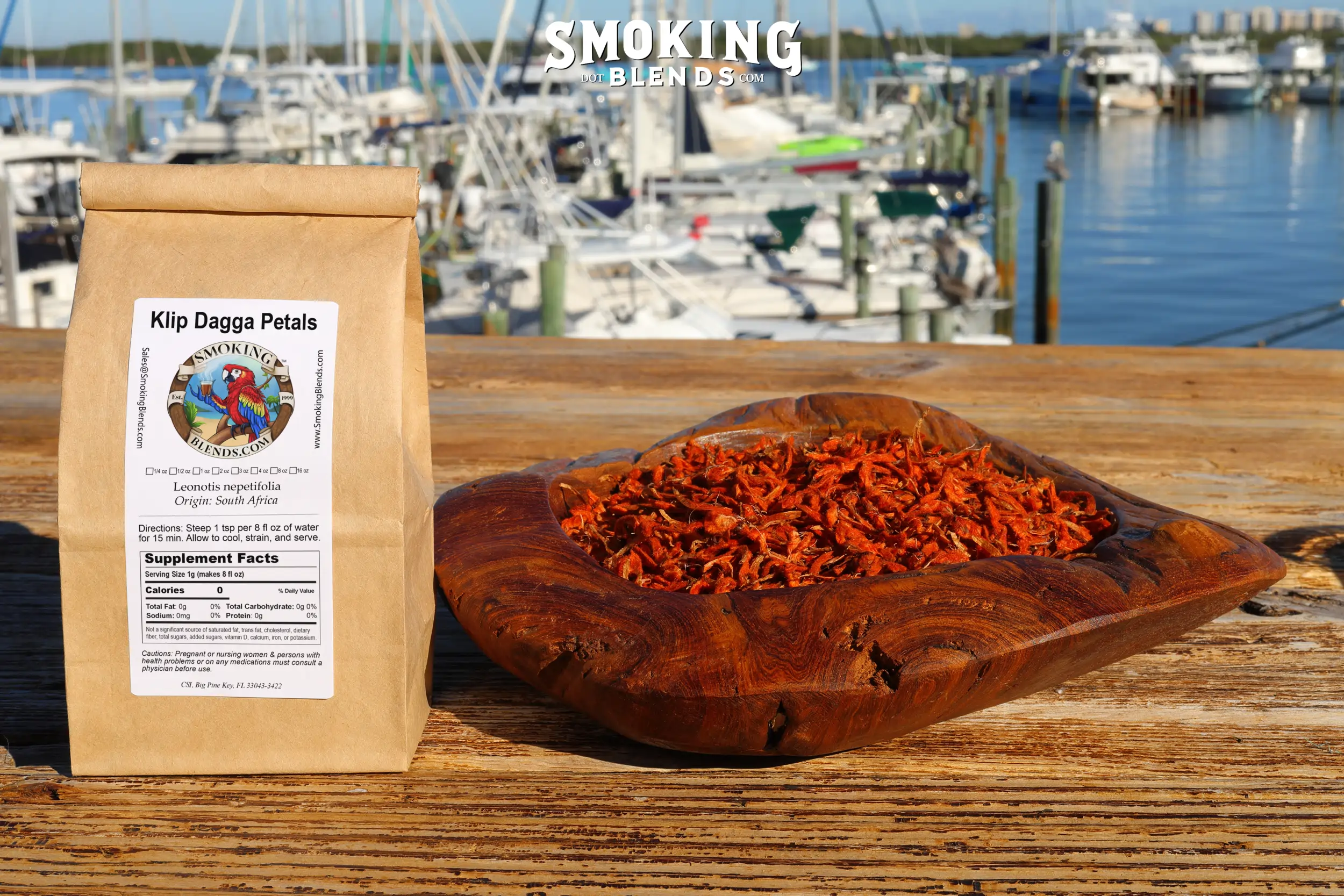
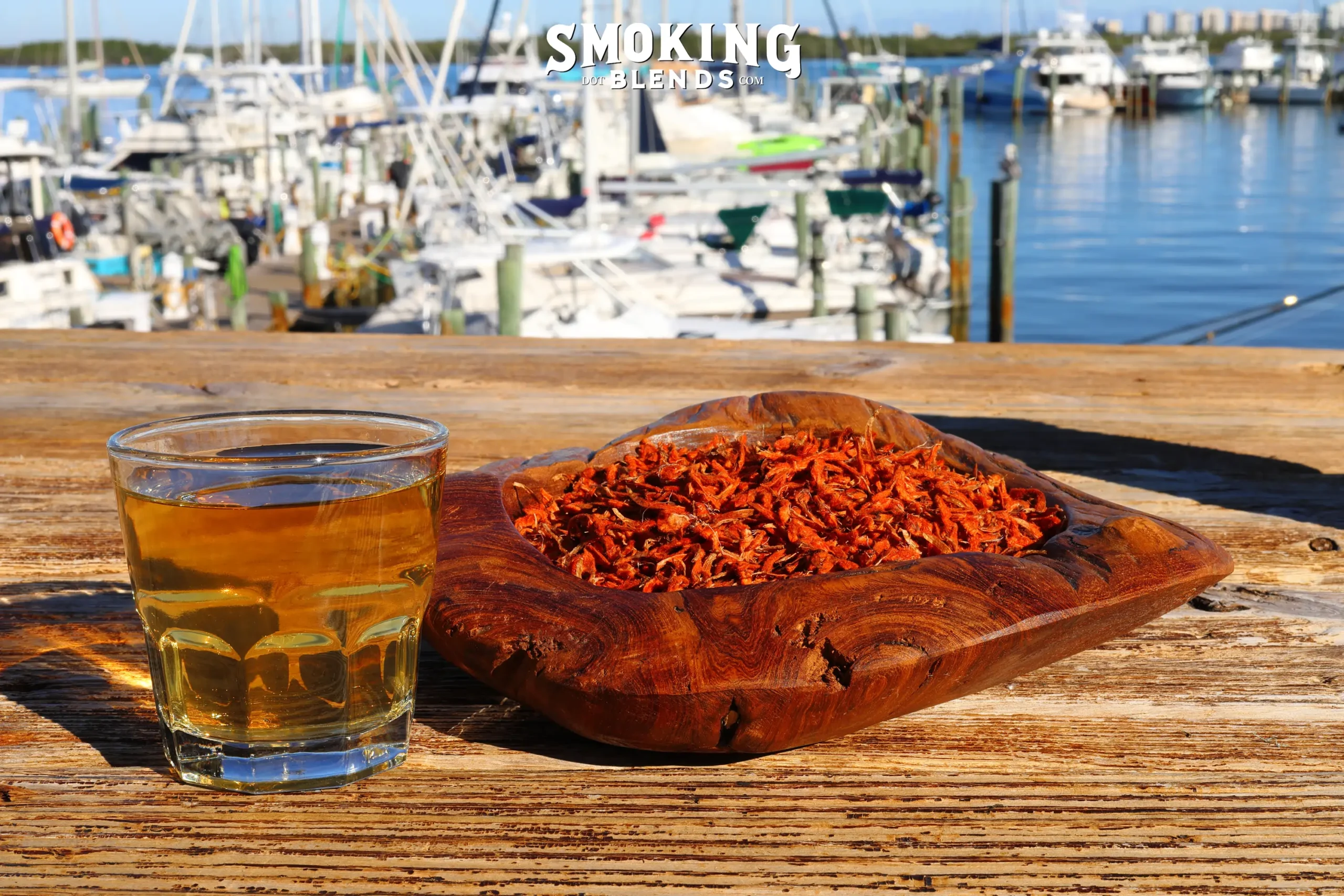

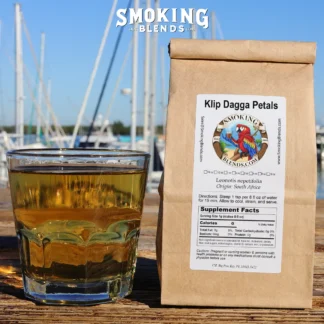
Klip Dagga offers people who enjoy smokable herbs and herbal teas an opportunity to buy something different and very high quality at a great price. Ethically wildcrafted in, and imported directly from, South Africa.
50% Off Sale!!
Uses
Klip dagga flowers have a history of being used as a smoking herb and tea by the Hottentots and other African tribes. The dried leaves and flowers were said to be calming.
Smoking Kilp Dagga
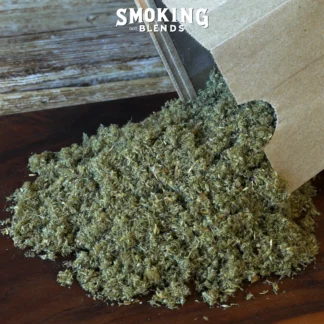
Klip dagga is able to be smoked in any pipe and also rolled. These fluffy flowers are hard to blend with other herbs. Imagine trying to mix cotton balls with herb leaves. However, it can be a useful and interesting addition to any tea or smoking blend when added in small amounts. For example, you are preparing to smoke a pipe and add klip dagga to the bowl filled with other herbs.
Kilp Dagga Tea
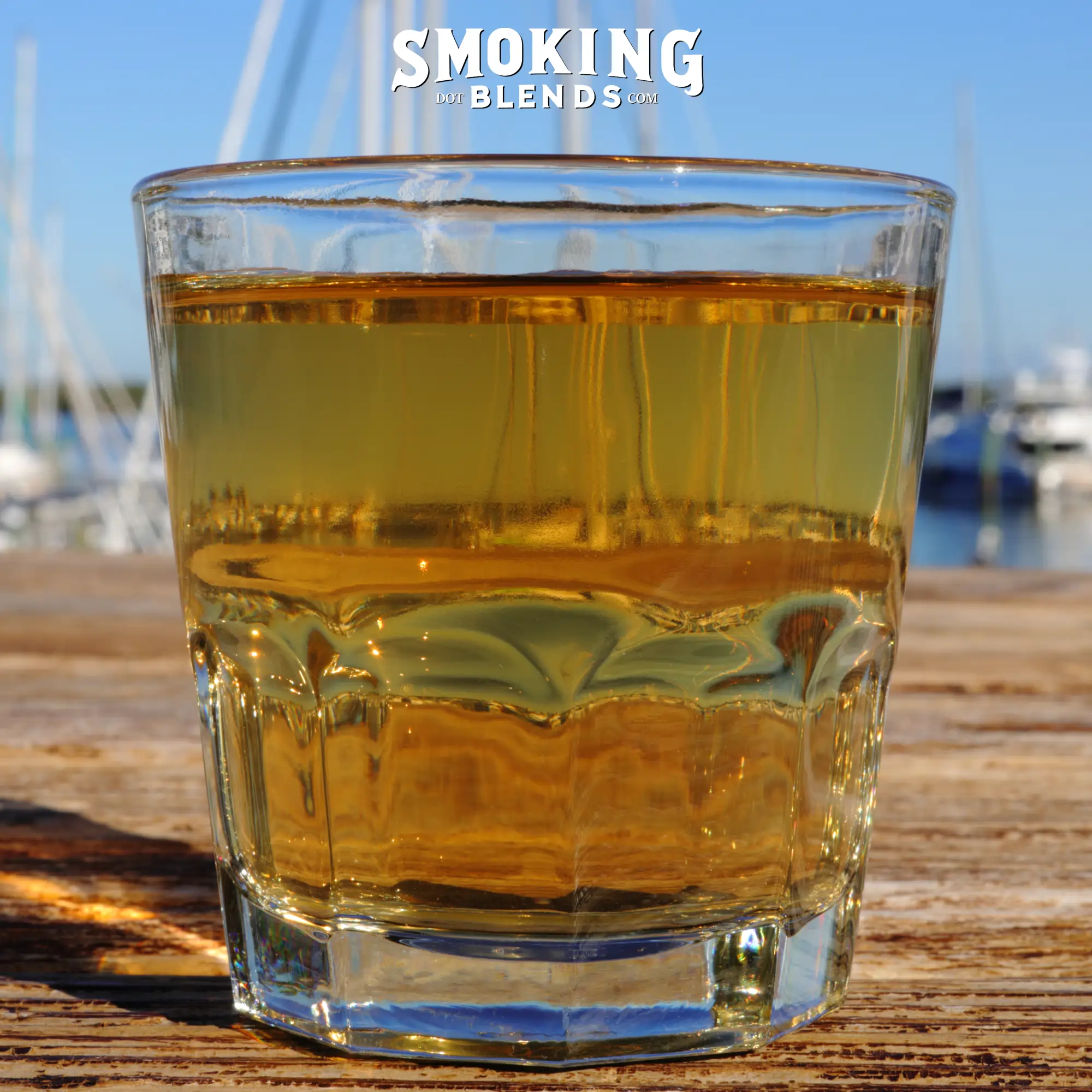
For use as tea, start with 1 gram of klip dagga per 8 oz of water. Slowly boil the material in the water for at least 7 minutes, then allow it to cool and strain out the herbs. If you prefer stronger or weaker herbal teas, you can increase or decrease the amount of klip dagga used and the amount of time it is boiled in small increments.
Benefits
Leonotis nepetifolia has a long history of medicinal use by traditional African tribes. It was commonly used for headaches, flu, dysentery, chest infections, constipation, intestinal worms, insect bites, snake bites, menstrual delays and hypertension. Externally, it was used for eczema, skin rashes, boils and other wounds. Klip dagga may also have anti-inflammatory properties.
More scientific research and study is needed to fully verify the effectiveness of wild dagga.
Contains
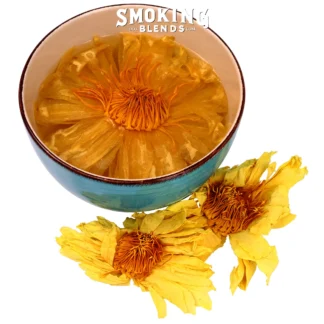
Pure, hand-processed, wild-crafted, Leonotis nepetifolia flower petals.
Botanical name: Leonotis nepetifolia
Plant family: Lamiaceae
Also called: Lion’s Ear, Shandilay, Christmas Candlestick and Grantiparani .
Identification
Kilp dagga is a fast-growing, robust shrub that grows up to 7–10 feet tall with a width of 5 feet, consisting of mostly erect, branched stems topped with multiple ball-shaped inflorescences that produce pollen and rich, bright orange flowers. A prickly calyx protects the buds, petals and seeds. The brittle stems are velvety at the base and have a distinctive square cross-section.
Flowering in summer, the individual petals are tassel-like and consist of a long, slender tube with four stamens and stiff hairs that are rough when touched. The upper lip of the petal is long and hooded, and the lower is short and smooth.
Kilp is known to attract butterflies, bees, and hummingbirds.
Composition
The essential oils of the leaf and flower of leonotis leonurus are limonene (7.2–15.6%), (Z)-β-ocimene (7.5–10.8%), γ-terpinene (4.0–4.7%), β-caryophyllene (15.2–19.6%), α-humulene (4.6–6.5%), and germacrene D (18.9–20.0%). It is also known to contain Leonurine.
Environment
Klip dagga is drought-tolerant but grows well in almost any temperate environment, including shrublands, grasslands, and swampland. Klip dagga grows in California, Mexico, and the Caribbean and has become naturalized in Western Australia and New South Wales in Australia.
In temperate climates, seeds must be sown indoors before the last frost or outdoors after the last frost. You must allow the seedheads to dry before collection.
How do I Grow Klip Dagga from Seed?
- Sow in early spring in a flat or pot. Keep in a greenhouse until late spring, if possible.
- Cover the seeds with a thin layer of soil and lightly tamp down to secure them.
- Keep moist until germination (1 to 3 weeks).
- Sow seeds directly in the garden or pots.
- Plant 3 feet apart.
Reviews
There are no reviews yet.