
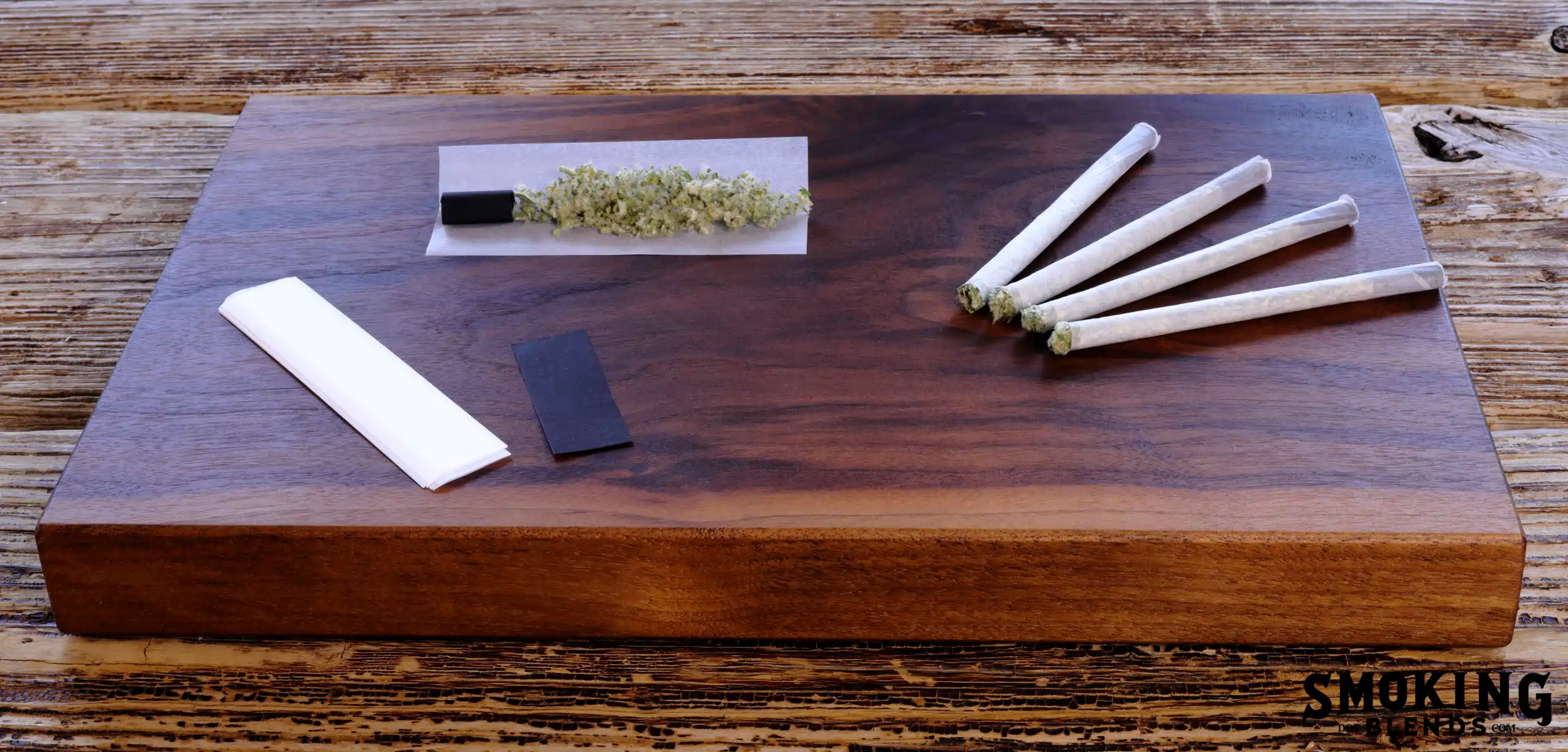
Introduction to Smoking Herbs: Smokable herbs offer a variety of benefits, from relaxation to assisting with clearing the lungs, as well as many traditional uses.
Top Smoking Herbs List:
Drawing from 27 years of professional experience in sourcing, using, and blending herbs, this guide features original photography of the actual dried herbs. We have personally tested every herb listed below for flavor, burn, and potential benefits. These non-habit-forming botanicals have a history of traditional use and are considered safe when used as directed for healthy adults, aside from the known health risks associated with habitual smoking. Smoking is not recommended while nursing or during pregnancy.
Blue Lotus Flower (Nymphaea caerulea)
Flavor: Subtle flavor, delicate, sweet, and floral.
Benefits: Calming like its leaf.
Blue Lotus Leaf (Nymphaea caerulea)
Flavor: Earthy
Benefits: Mild relaxation.
Calea Zacatechichi Leaf (Calea ternifolia)
Flavor: Strong, harsh
Benefits: Claimed to promote relaxation and lucid dreaming.
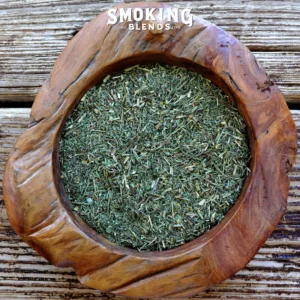
California Poppy (Eschscholzia californica)
Flavor: Strong and earthy but smooth
Benefits: Claimed to promote relaxation and support sleep.
Capillary Wormwood (Artemisia capillaris)
Flavor: Earthy, mild, herbal
Benefits: May be relaxing with mild invigoration. Relative of Mugwort and Wormwood.
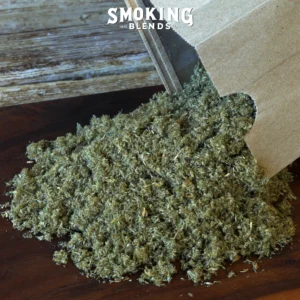
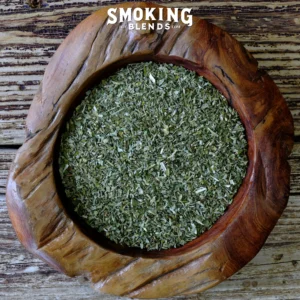
Catnip Leaf (Nepeta cataria)
Flavor: Minty with a lemony touch, mild harshness
Benefits: Mild relaxant may aid in sleep.
Damiana Leaf (Turnera diffusa)
Flavor: Sweet with a hint of spice.
Benefits: Lifts mood, possible libido support.
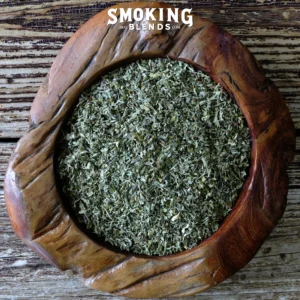
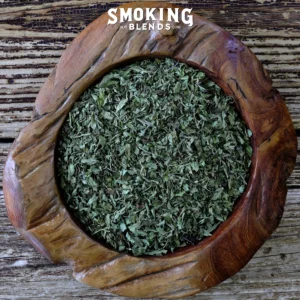
Field Mint Leaf (Mentha haplocalyx)
Flavor: Strong, refreshing, cooling, minty
Benefits: Used in TCM to calm nerves, ease congestion.
Great Lettuce (Lactuca virosa)
Flavor: Mild, herbal
Benefits: Soothing, can help with mild pain.
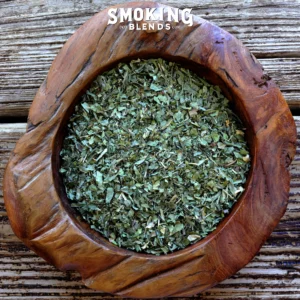
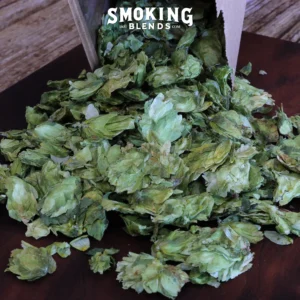
Hops (Humulus lupulus)
Flavor: Bitter, floral, smooth
Benefits: Said to promote calm and support sleep.
Jasmine Flowers (Jasminum odoratissimum)
Flavor: Delicate, floral, sweet
Benefits: Said to relieve stress and enhance mood.
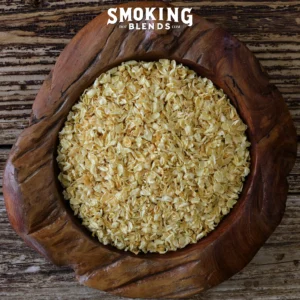
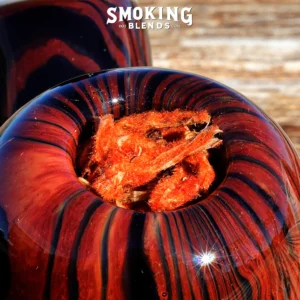
Klip Dagga Flowers (Leonotis nepetifolia)
Flavor: Floral, sweet, smooth
Benefits: May support mood and relaxation.
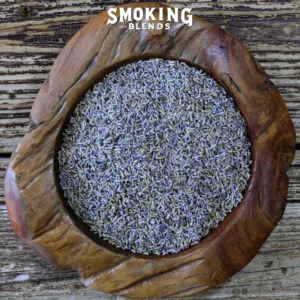
Lavender (Lavandula spp.)
Flavor: Floral, very strong, smooth
Benefits: Sweet, calming smoke with a floral scent.
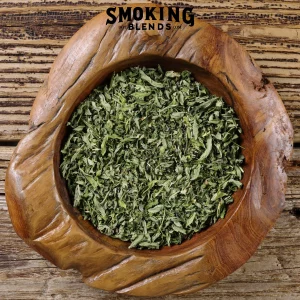
Lobelia Inflata (Lobelia inflata)
Flavor: Strong, acrid flavor; use in small amounts.
Benefits: Lung support, mild stimulant
Cautions: Larger amounts in tea used to induce vomiting. Use in moderation.
Mugwort (Artemisia vulgaris)
Flavor: Milder than Chinese, slightly medicinal, smooth
Benefits: Said to be relaxing and enhance dreams.
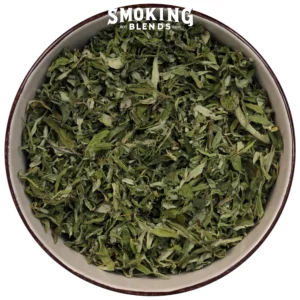
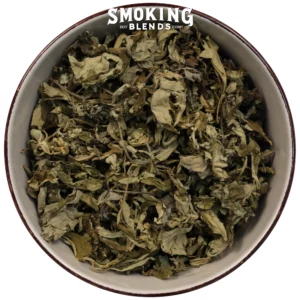
Mugwort Chinese (Artemisia argyi)
Flavor: Strong, medicinal, smooth
Benefits: Mild Relaxant, Dreams
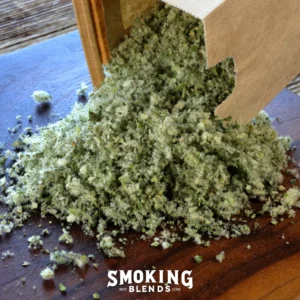
Mullein (Verbascum thapsus)
Flavor: Mild and earthy.
Benefits: Helps with breathing, gentle on the lungs.
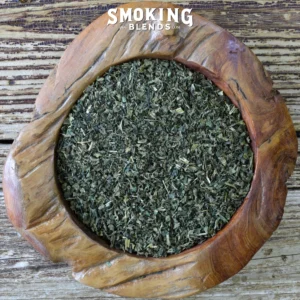
Nettle Leaf (Urtica dioica)
Flavor: Smooth, earthy, grassy, mild
Benefits: Underrated as a smoking herb, relaxing smoke.
Perilla Leaf (Perilla frutescens)
Flavor: Minty, aromatic, slightly spicy
Benefits: Used in TCM to treat cold symptoms and relieve nervousness.
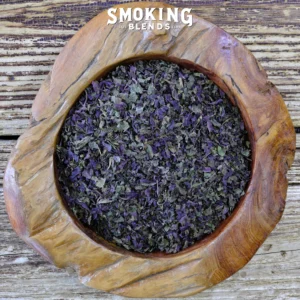
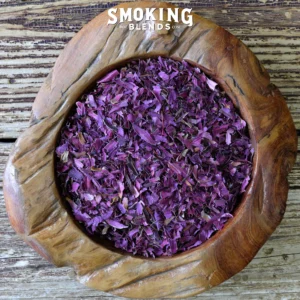
Red Lotus Flowers (Nymphaea rubra)
Flavor: Floral, earthy, cranberry like
Benefits: May support relaxation and libido.
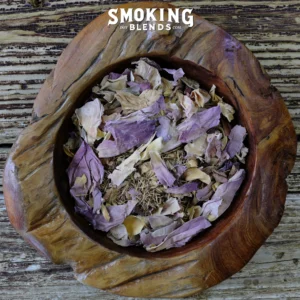
Sacred Lotus Flowers (Nelumbo nucifera)
Flavor: Earthy, mild
Benefits: Said to promote relaxation and mild pain relief.
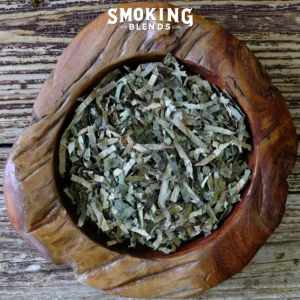
Sacred Lotus Leaf (Nelumbo nucifera)
Flavor: Strong, cigar-like, smooth
Benefits: Smoking is said to be relaxing.
Skullcap (Scutellaria lateriflora)
Flavor: Minty and smooth
Benefits: Said to calm the mind without drowsiness.
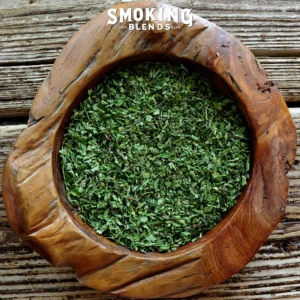
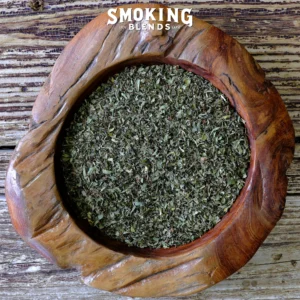
Spearmint Leaf (Mentha spicata)
Flavor: Refreshing, minty, cooling
Benefits: May promote relaxation and soothe the respiratory system.
White Lotus Flower (Nymphaea ampla)
Flavor: Earthy, creamy and smooth
Benefits: May support mood and relaxation.
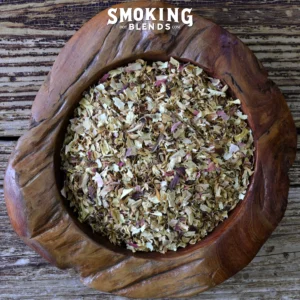
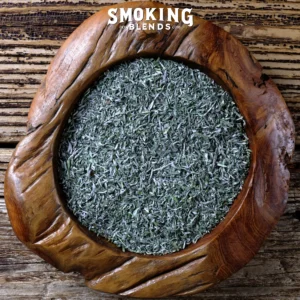
Wormwood (Artemisia absinthium)
Flavor: Strong, medicinal and smooth
Benefits: May promote relaxation.
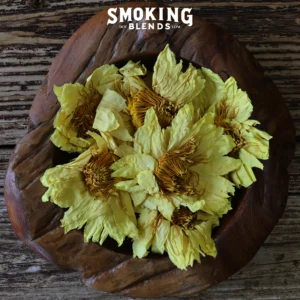
Yellow Lotus Flowers (Nymphaea mexicana)
Flavor: Floral, vanilla-like
Benefits: Said to promote relaxation.
History of Smoking Herbs:
The smoking of herbs has a long history, they have been used in holistic health practices, spirituality, and traditional rituals.
- Ancient Practices: 3000 years ago, the ancient Egyptians smoked blue lotus flowers and used them in religious ceremonies.
- Medieval and Renaissance Europe: Mugwort was burned or smoked in homes to keep away evil spirits and bugs; its leaves were often tucked into pillows and said to bring prophetic dreams.
- Indigenous Cultures: Across the Americas, damiana was smoked or enjoyed as tea for its uplifting effects and possible aphrodisiac qualities. Mullein was smoked and used as tea to help with breathing, and was considered a gift from nature.
- Asian Traditions: In China, Mugwort was used in moxibustion, where the herb’s smoke was thought to heal by warming and stimulating the body.
The Best Tasting Herbs to Smoke:
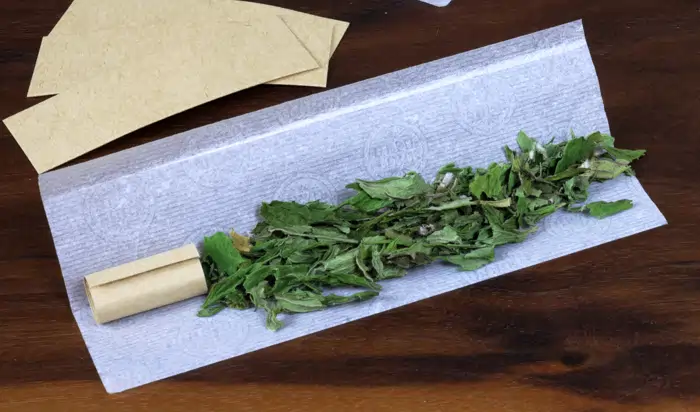
Some of the smoothest herbs to smoke are; blue lotus flowers, wild lettuce and skullcap. Herbs like lavender can add flavor and smooth out even some of the harshest herbs. In many cases, it is personal preference that determines someone’s favorite herb or flower to smoke or blend with other herbs.
However, how herbs are grown, harvested, dried, and stored can greatly affect their flavor. Poor practices can turn even the best-tasting herbs harsh and unpleasant to smoke. Proper cultivation ensures potency, while careful harvesting and gentle drying methods preserve the essential oils that contribute to taste. Storing herbs in airtight containers away from light and heat helps maintain quality and flavor.
Best Legal Herbs to Smoke:
The herbs on our list are safe and 100% legal in the US, and most other countries. However, misinformation and misuse can lead to even the safest herbs being regulated:
- Misinformation: Incorrect or exaggerated claims can lead to problems and regulation. For example, if a herb is marketed as a cure without proof, it might get looked at by regulators.
- Misuse: As with anything that is consumed, using herbs in large amounts or mixing them with other substances can cause them to be misunderstood and create problems.
- Cultural Sensitivity: Some herbs, like White Sage, are sacred to indigenous peoples, and misuse can lead to demands for regulation to protect cultural practices.
Check local laws, as they can vary widely, and be mindful of how the herbs are presented and used in your community to avoid contributing to potential regulatory changes.
Best Herbs for Relaxation and Anxiety Relief:
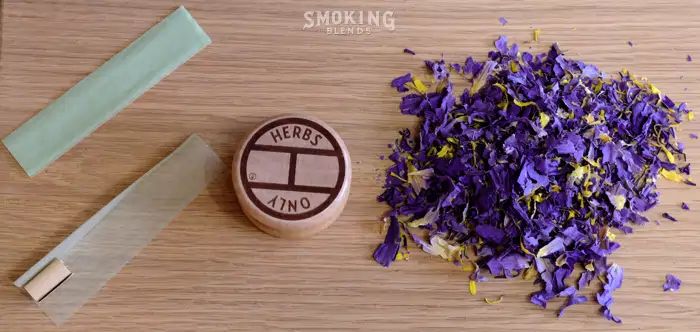
Skullcap, Lavender, Damiana and Blue Lotus are top picks for easing stress or anxiety. However, it is recommended that someone try a variety of herbs to find the one that best suits them and their individual needs.
Is it Safe to Smoke Herbs? Are Smokable Herbs Good for Health?
How often you smoke herbs matters for your health:
- Habitual Smoking: Smoking any herb regularly may harm your lungs over time.
- Occasional Smoking: Smoking herbs now and then has not been shown to be anywhere near as harmful as habitual use, and may offer temporary benefits like calming or aiding in breathing.
One good thing about smoking herbs is they’re not addictive like tobacco, which can help reduce smoking habits and the intake of harmful substances, improving health over time.
The healthiest way to use these herbs is occasionally or via other methods:
- Teas and Infusions: Drinking herbal teas can give you similar benefits without smoking and many people grow to enjoy the flavors and potential combinations.
- Tinctures: These are liquid extracts that can deliver the herb’s benefits without smoking. However, they can be strong, so use them in moderation.
- Aromatherapy: Using herbs’ scents can relax you without the smoke, through essential oils.
If you choose to smoke herbs, do it sparingly, be aware of the health impact, and find other ways to enjoy herbs.
Smoking Herb Meaning:
Smoking herbs is more than just an action; for some, it is about connecting with nature for health or spiritual reasons.
Smoking Herbs in a Pipe:
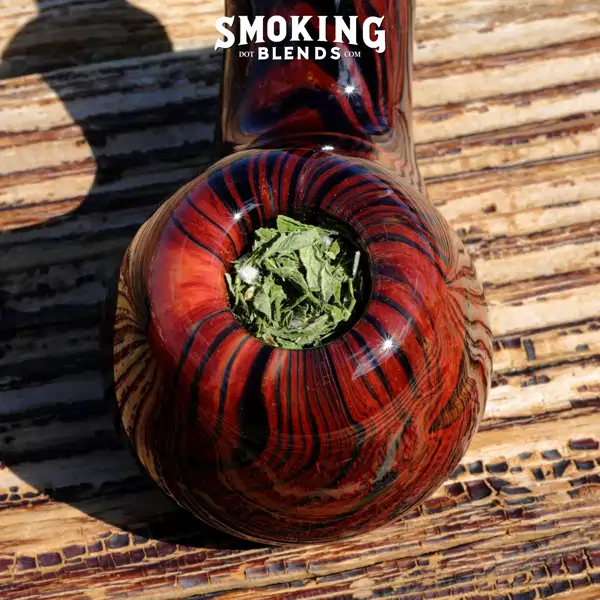
This allows you to control the burn and enjoy the flavors better. Take some time to learn the best way to smoke; each individual herb will burn and taste differently in a pipe. They will also burn differently in different types of smoking pipes. Inhale slowly to fully take in the taste and flavor of the smoke.
What Herbs Should Not Be Smoked?
- Comfrey (Symphytum officinale) – Can harm the liver due to toxic compounds.
- Coltsfoot (Tussilago farfara) – Good for congestion but risky during pregnancy.
- White Sage (Salvia apiana) – Better for smudging than smoking, can irritate lungs.
- Betel Nut (Areca catechu) – Linked to health problems when smoked or chewed regularly.
Additional Safety Considerations:
- Pregnancy: Smoking any herb during pregnancy is not recommended due to potential risks to the baby.
- Health Conditions: If you have health issues or take medication, talk to your doctor before trying herbal smoking.
Honorable Mentions:
- Peppermint (Mentha × piperita) – Refreshing, can help with breathing issues when smoked.
- Thyme (Thymus vulgaris) – Can aid respiratory health thanks to its antimicrobial properties.
Further Reading:
- “The Herbal Medicine-Maker’s Handbook” by James Green
- “The Herb Book” by John Lust
- “‘The Everyday Herbalist” by Jane Wrigglesworth
Conclusion:
Smoking herbs can be relaxing and connect us to nature and tradition. They offer a non-active option for people struggling with habitual smoking and its negative health effects. Always think about your health first. If you’re pregnant, have health issues, or take medication, talk to a doctor before smoking anything.
More scientific research and study is needed to fully verify the effectiveness of any medicinal claims attributed to these herbs. Please also keep in mind that habitual smoking has been shown to be hazardous to your health.
Sources:
- Green, James. The Herbal Medicine-Maker’s Handbook. Crossing Press, 2000.
- Lust, John. The Herb Book. Benedict Lust Publications, 1974.
- Wrigglesworth, Jane. The Everyday Herbalist. Penguin Random House, 2019.
- Manniche, Lise. An Ancient Egyptian Herbal. British Museum Press, 1989.
- Moerman, Daniel E. Native American Ethnobotany. Timber Press, 1998.
- Schultes, Richard Evans, and Siri von Reis. Ethnobotany: Evolution of a Discipline. Dioscorides Press, 1995.
This article has just received a significant update. We hope you enjoy it and look forward to receiving any questions or comments.